Introduction to Mindfulness Meditation: Learn the Fundamentals
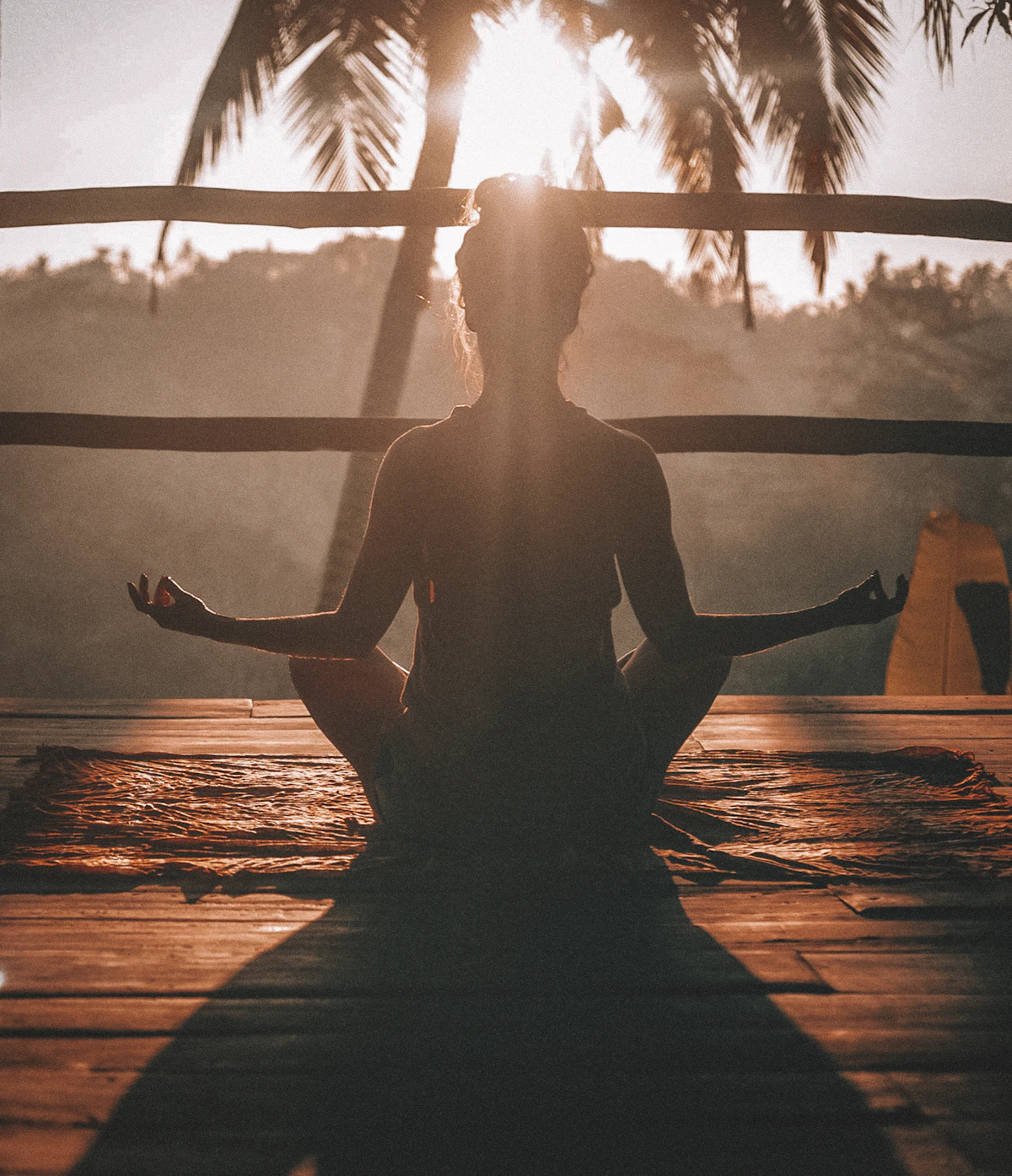
Starting your mindfulness meditation journey
Mindfulness meditation has gained significant popularity in recent years as people seek effective ways to manage stress, improve focus, and enhance overall well-being. Rooted in ancient contemplative traditions, mindfulness meditation has been scientifically validated for its numerous benefits. If you're new to meditation, this guide will introduce you to the fundamentals and help you establish a sustainable practice.
What is Mindfulness Meditation?
Mindfulness meditation is the practice of paying attention to the present moment without judgment. It involves observing your thoughts, feelings, bodily sensations, and surrounding environment with a gentle, accepting attitude. Rather than getting caught up in thoughts about the past or future, mindfulness meditation trains you to anchor your attention in the here and now.
The essence of mindfulness meditation is not to stop thinking or empty your mind, but rather to notice when your mind has wandered and gently return your attention to the present moment. This practice cultivates awareness and acceptance of whatever arises in your experience.
Core Principles of Mindfulness
Understanding these fundamental principles will help you develop a deeper appreciation for mindfulness meditation:
- Present moment awareness: Focusing on what's happening right now, rather than dwelling on the past or anticipating the future.
- Non-judgmental observation: Noticing thoughts and feelings without labeling them as good or bad.
- Acceptance: Acknowledging experiences as they are, without trying to change them immediately.
- Beginner's mind: Approaching each moment with fresh curiosity, as if experiencing it for the first time.
- Patience: Understanding that developing mindfulness takes time and practice.
- Self-compassion: Being kind to yourself when your mind wanders or when you find the practice challenging.
Basic Techniques for Beginners
Start with these foundational techniques to build your mindfulness meditation practice:
Breath Awareness
This is the most common starting point for mindfulness meditation. Simply focus on your natural breathing pattern. Notice the sensation of air entering and leaving your nostrils, or the rise and fall of your chest or abdomen. When you notice your mind has wandered (which is completely normal), gently return your attention to your breath.
Body Awareness
Bring attention to physical sensations in your body. Start with a simple awareness of the points of contact between your body and the chair or cushion you're sitting on. Notice any areas of tension, warmth, coolness, or other sensations without trying to change them.
Thought Observation
Once you're comfortable with breath awareness, you can begin to observe your thoughts as they arise. Instead of engaging with them, try to see them as passing clouds in the sky of your mind. Acknowledge them and let them go, returning to your breath.
Getting Started: A Simple Practice
Here's a step-by-step guide for your first mindfulness meditation session:
- Find a comfortable position: Sit upright in a chair with your feet flat on the floor, or sit cross-legged on a cushion. Keep your back straight but not rigid.
- Set a timer: Start with just 5-10 minutes. This removes the distraction of watching the clock.
- Close your eyes or soften your gaze: Choose what feels more comfortable for you.
- Focus on your breath: Begin by taking a few deep breaths, then allow your breathing to return to its natural rhythm.
- Notice your breath: Pay attention to the physical sensations of breathing. If your mind wanders, gently bring it back to the breath.
- End gently: When your timer goes off, take a moment before opening your eyes. Notice how you feel.
Common Challenges and How to Address Them
As a beginner, you'll likely encounter these common challenges:
My mind keeps wandering
This is completely normal and expected. The practice isn't about stopping thoughts but noticing when your attention has wandered and gently returning to your focus point. Every time you bring your attention back, you're strengthening your mindfulness muscle.
I feel restless or uncomfortable
Physical discomfort is common when sitting still. Make small adjustments as needed, but try to observe the sensation without immediately reacting. Sometimes we're not aware of how much tension we carry until we sit quietly.
I don't have time
Even 5 minutes of daily practice can be beneficial. You don't need to meditate for long periods to experience benefits. Consistency matters more than duration.
Benefits of Regular Practice
Research has shown that regular mindfulness meditation practice offers numerous benefits:
- Reduced stress and anxiety: Mindfulness helps break the cycle of worry and rumination.
- Improved focus and concentration: Regular practice strengthens attention and cognitive function.
- Enhanced emotional regulation: Greater awareness of emotions allows for more thoughtful responses.
- Better sleep: Mindfulness can help calm the mind before bedtime.
- Increased self-awareness: Deeper understanding of your thought patterns and habits.
- Greater compassion: Mindfulness practice often leads to increased empathy and kindness toward yourself and others.
Building a Sustainable Practice
To develop a lasting mindfulness meditation practice:
- Start small and be consistent rather than aiming for long sessions
- Choose a time of day that works for your schedule
- Create a dedicated space for practice, even if it's just a corner of a room
- Use guided meditations initially to stay on track
- Be patient with yourself and approach the practice with curiosity rather than criticism
- Remember that some days will be easier than others, and that's perfectly normal
Remember, mindfulness meditation is a skill that develops with practice. There's no perfect way to do it, and every session – regardless of how "successful" it feels – is beneficial. The key is to approach your practice with patience, kindness, and consistency. Over time, you may find that the benefits of mindfulness extend beyond your meditation sessions into all areas of your daily life.