Breathing Techniques for Stress Relief: Simple Methods to Calm Your Mind
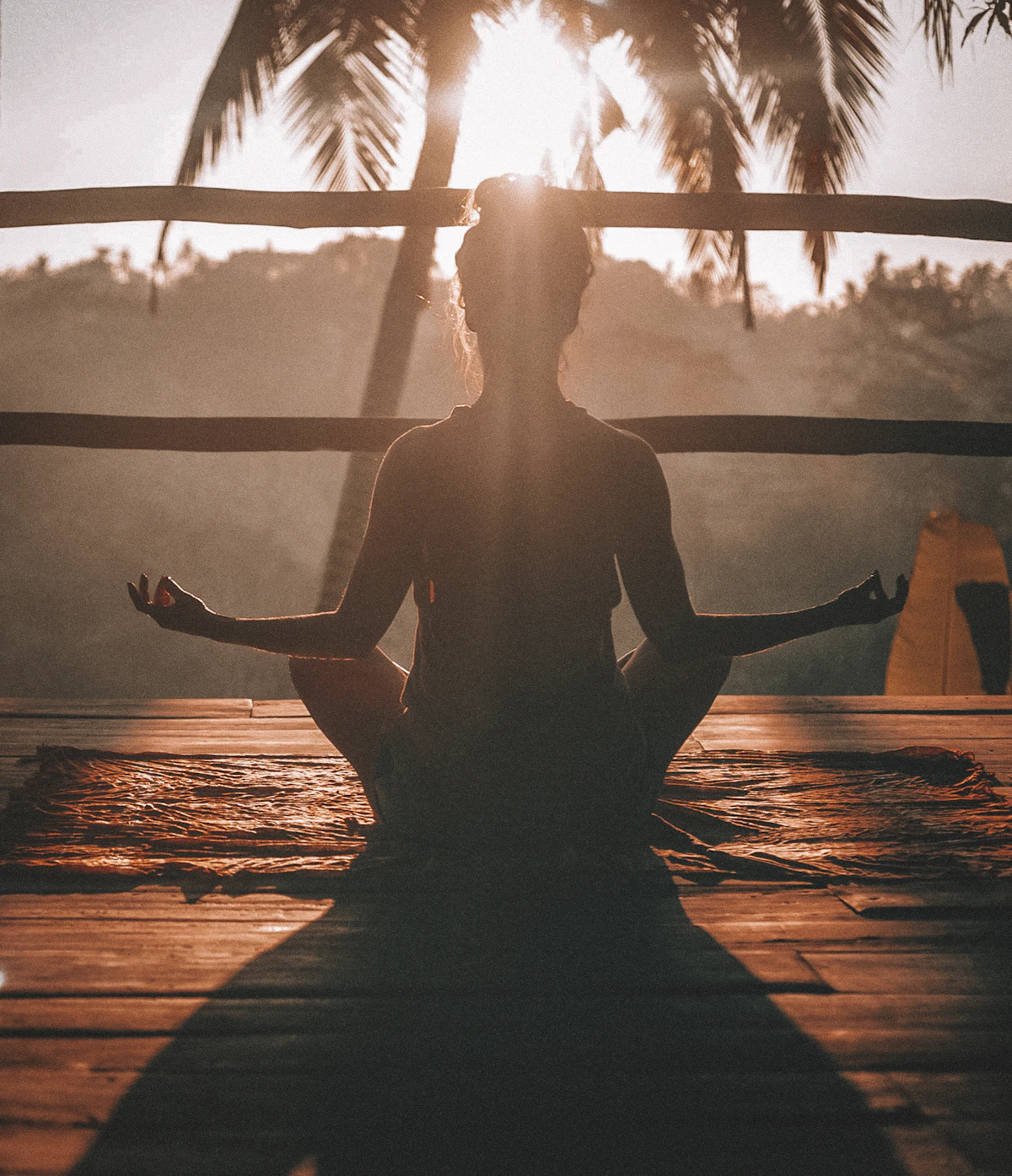
Deep breathing exercises for stress relief and relaxation
In our increasingly fast-paced world, stress has become an almost constant companion for many of us. Whether it's work deadlines, family responsibilities, financial pressures, or global concerns, stress can accumulate and take a significant toll on our mental and physical well-being. Fortunately, one of the most accessible and effective tools for managing stress is literally right under our noses – our breath.
The Science Behind Breathing and Stress
Breathing is unique because it's both an automatic function and one we can consciously control. When we're stressed, our breathing often becomes shallow and rapid, which activates our sympathetic nervous system (the "fight-or-flight" response). This increases heart rate, blood pressure, and stress hormones like cortisol. Conversely, conscious breathing techniques activate the parasympathetic nervous system, which promotes relaxation and counteracts stress.
Box Breathing (Four-Square Breathing)
This technique is particularly effective and is used by Navy SEALs to stay calm in high-stress situations. It's simple to learn and can be done anywhere:
- Inhale for 4 counts
- Hold your breath for 4 counts
- Exhale for 4 counts
- Hold empty for 4 counts
- Repeat for 4-5 cycles or until you feel calmer
The counting helps focus your mind and prevents it from wandering to stressors. If 4 counts feels too long, start with 2 or 3 and gradually increase as you become more comfortable.
4-7-8 Breathing Technique
Developed by Dr. Andrew Weil, this technique is particularly effective for reducing anxiety and promoting sleep:
- Place the tip of your tongue against the ridge behind your upper front teeth
- Exhale completely through your mouth, making a "whoosh" sound
- Close your mouth and inhale through your nose for 4 counts
- Hold your breath for 7 counts
- Exhale through your mouth for 8 counts, making a "whoosh" sound again
- This completes one breath cycle; repeat for 3-4 cycles
The extended exhale in this technique helps activate the parasympathetic nervous system more effectively than the inhale, promoting deeper relaxation.
Diaphragmatic Breathing (Belly Breathing)
Most people breathe shallowly into their chest, but diaphragmatic breathing uses the full capacity of the lungs and is more effective for stress relief:
- Sit comfortably with one hand on your chest and one on your belly
- Breathe in slowly through your nose, ensuring only the hand on your belly rises
- Exhale slowly through pursed lips, feeling your belly fall
- Focus on making your exhale longer than your inhale
- Practice for 5-10 minutes daily
Alternate Nostril Breathing (Nadi Shodhana)
This ancient yogic technique helps balance the left and right hemispheres of the brain and promotes mental clarity:
- Sit comfortably and use your right thumb to close your right nostril
- Inhale slowly through your left nostril
- Close your left nostril with your ring finger, releasing your right nostril
- Exhale through your right nostril
- Inhale through your right nostril
- Close your right nostril, release your left nostril, and exhale through the left
- This completes one cycle; repeat for 5-10 cycles
When to Use These Techniques
Different breathing techniques work better in different situations:
- Box breathing: During high-stress moments, before presentations, or when you need to focus quickly.
- 4-7-8 breathing: Before sleep, when feeling anxious, or during panic attacks.
- Diaphragmatic breathing: During meditation, when experiencing chronic stress, or as a daily practice.
- Alternate nostril breathing: When feeling mentally scattered or before meditation.
Tips for Success
To get the most benefit from breathing techniques:
- Practice regularly, even when you're not stressed, to build the skill
- Start with just a few minutes and gradually increase duration
- Find a quiet, comfortable place initially, but practice in various settings
- Be patient with yourself – it takes time to master these techniques
- Combine breathing with other stress-relief activities like walking or stretching
Making Breathing Part of Your Daily Routine
To maximize the stress-relief benefits of breathing techniques, incorporate them into your daily routine:
- Start your day with 3-5 minutes of conscious breathing
- Take breathing breaks between meetings or tasks
- Use breathing techniques before meals to transition and center yourself
- Practice breathing exercises before bed to promote relaxation
- Set reminders on your phone to take breathing breaks throughout the day
Remember, breathing techniques are a skill that improves with practice. Don't expect perfection right away – even a few conscious breaths can make a difference in your stress levels. The beauty of these techniques is that they're always available to you, require no special equipment, and can be done anywhere. With regular practice, you'll find that these simple breathing exercises become a powerful tool in your stress management toolkit, helping you maintain calm and clarity even in challenging situations.