Breathing Techniques and Relaxation Methods
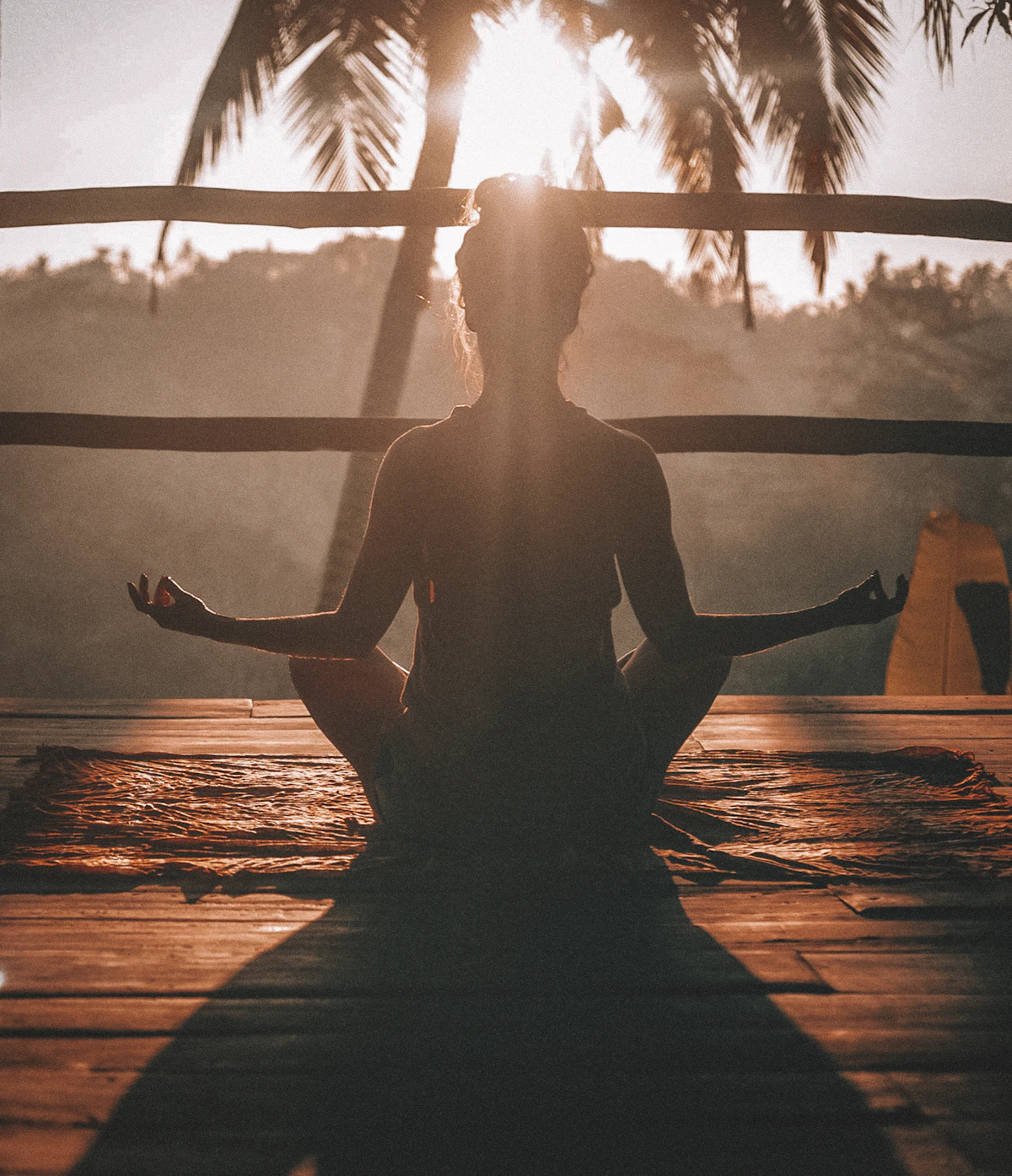
Mastering breathing techniques for instant stress relief
In our fast-paced world, stress often catches us off guard, leaving us feeling overwhelmed and unable to think clearly. Fortunately, one of the most powerful tools for immediate stress relief is always with us: our breath. Breathing techniques are simple yet remarkably effective methods for activating the body's relaxation response and gaining control over our emotional state. By learning and practicing various breathing and relaxation techniques, you can develop an instant stress relief toolkit that works anywhere, anytime, without special equipment or training.
The Science Behind Breathing and Stress
Understanding how breathing affects stress helps explain why these techniques are so effective:
The Nervous System Connection
Our autonomic nervous system has two main branches: the sympathetic nervous system (responsible for the "fight-or-flight" response) and the parasympathetic nervous system (responsible for "rest-and-digest" functions). During stress, the sympathetic nervous system dominates, causing increased heart rate, elevated blood pressure, and shallow breathing. Conscious breathing techniques activate the parasympathetic nervous system, promoting relaxation and counteracting stress.
Physiological Effects
Controlled breathing influences several physiological processes:
- Lowers heart rate and blood pressure
- Reduces cortisol levels
- Increases oxygen flow to the brain
- Slows down racing thoughts
- Activates the vagus nerve, which promotes calm
Essential Breathing Techniques
Here are some of the most effective breathing techniques for stress relief:
4-7-8 Breathing
This technique is particularly effective for reducing anxiety and promoting sleep:
- Inhale quietly through your nose for 4 counts
- Hold your breath for 7 counts
- Exhale completely through your mouth for 8 counts, making a whooshing sound
- Repeat the cycle 3-4 times
Box Breathing (Square Breathing)
Used by Navy SEALs and athletes, this technique helps with focus and stress reduction:
- Inhale for 4 counts
- Hold for 4 counts
- Exhale for 4 counts
- Hold empty for 4 counts
- Repeat for several cycles
Diaphragmatic Breathing (Belly Breathing)
This technique helps you breathe more efficiently and deeply:
- Place one hand on your chest and one on your belly
- Breathe in slowly through your nose, allowing your belly to rise
- Exhale slowly through pursed lips, letting your belly fall
- Focus on keeping your chest hand still while your belly hand moves
Equal Breathing (Sama Vritti)
This balancing technique helps calm the mind:
- Inhale for a count of 4
- Exhale for a count of 4
- Maintain equal counts for both inhalation and exhalation
- Continue for several minutes
Advanced Relaxation Methods
Complement your breathing practice with these relaxation techniques:
Progressive Muscle Relaxation
This technique involves systematically tensing and then relaxing different muscle groups:
- Start by tensing the muscles in your toes for 5 seconds
- Release and notice the sensation of relaxation
- Move progressively up your body (calves, thighs, abdomen, chest, arms, neck, face)
- Combine with deep breathing for enhanced relaxation
Guided Visualization
Create peaceful mental imagery to promote relaxation:
- Close your eyes and take several deep breaths
- Visualize a calm, peaceful place (beach, forest, garden)
- Engage all your senses in the visualization
- Stay in this peaceful state for 5-10 minutes
When to Use Different Techniques
Different situations call for different approaches:
Immediate Stress Relief
For sudden stress or anxiety attacks, use 4-7-8 breathing or box breathing. These techniques work quickly to activate the relaxation response.
Preparation for Stressful Events
Before presentations, interviews, or other stressful events, practice equal breathing or box breathing for 5-10 minutes to calm nerves and improve focus.
Evening Wind-Down
For better sleep, combine 4-7-8 breathing with progressive muscle relaxation to release the day's tension.
Daily Maintenance
Practice diaphragmatic breathing for 5-10 minutes daily to build your stress resilience and improve overall well-being.
Tips for Effective Practice
Maximize the benefits of your breathing and relaxation practice:
- Consistency is key: Practice regularly, even when not stressed, to build your skills
- Start small: Begin with just 2-3 minutes and gradually increase duration
- Find a quiet space: Choose a comfortable, distraction-free environment when possible
- Be patient: It takes time to master these techniques, so don't expect immediate perfection
- Focus on the process: Don't worry about "doing it right"; focus on the experience
- Combine techniques: Mix different methods to create your personal stress relief routine
Overcoming Common Challenges
Address typical obstacles to successful practice:
"I Can't Stop My Thoughts"
It's normal for thoughts to continue during breathing exercises. Don't try to stop them; instead, gently redirect your attention back to your breath when you notice your mind wandering.
"I Feel Dizzy"
If you feel lightheaded, slow down your breathing pace or return to normal breathing. This sensation usually passes as your body adjusts to the practice.
"I Don't Have Time"
Even 1-2 minutes of conscious breathing can provide benefits. You can practice these techniques during short breaks, while commuting, or before sleep.
Creating Your Personal Stress Relief Toolkit
Build a customized collection of techniques that work for you:
- Experiment with different techniques to find what resonates
- Keep a brief written reminder of your favorite techniques
- Practice in low-stress situations so you can use them effectively during high-stress moments
- Share techniques with family members who might benefit
- Consider using apps or audio guides to support your practice
Remember that breathing techniques and relaxation methods are skills that improve with practice. Start with one or two techniques that appeal to you, and practice them regularly. Over time, these methods will become second nature, providing you with immediate access to calm and clarity whenever you need it. The beauty of these techniques is that they're always available to you, requiring no special equipment or location. With consistent practice, you'll develop a powerful and portable stress management toolkit that enhances your resilience and overall well-being.